
Compare Local Contractors for Exterior Demolition Services
Compare local contractors for exterior demolition to define scope, verify experience, and set clear expectations in writing for a successful project.
Exterior demolition services typically encompass the removal of structures such as decks, garages, sheds, fences, and other outdoor features that are no longer needed or are being prepared for renovation or new construction. This work involves carefully dismantling and removing existing materials while ensuring the safety of the surrounding property. Proper exterior demolition can help clear the way for new developments, improve curb appeal, or eliminate unsafe or damaged structures. Understanding the scope of what these services cover can help property owners communicate their needs clearly and ensure that contractors deliver the appropriate level of work for their project.
Defining the scope of exterior demolition work is a crucial step in planning any project. Clear, detailed descriptions of what needs to be removed, the extent of demolition, and any specific considerations-such as handling hazardous materials or preserving certain elements-help avoid misunderstandings. Having a written scope also provides a basis for comparing bids and verifying that all service providers understand the project requirements. When property owners specify their expectations upfront, it becomes easier to identify experienced contractors who can meet those needs and to ensure that the work aligns with the overall project goals.
Comparing local contractors for exterior demolition involves evaluating their experience, reputation, and ability to handle projects similar in scope. Property owners should look for service providers with a proven track record in exterior demolition work within the area, and seek references or reviews when available. It’s also important to verify that contractors understand local regulations and have the necessary equipment to complete the work safely and efficiently. By requesting detailed proposals that outline the scope of work, and by checking credentials and experience, property owners can make informed decisions and select service providers best suited to handle their specific exterior demolition needs.
Compare local contractors by outlining your project priorities, verifying experience, and setting clear expectations in writing.
- Compare Contractor Credentials - Verify experience and reputation through references and reviews to ensure reliable service providers.
- Define Project Scope Clearly - Outline specific demolition requirements to set accurate expectations with local contractors.
- Request Written Estimates - Obtain detailed, written descriptions of work to facilitate clear communication and planning.
- Assess Contractor Compatibility - Evaluate how well local contractors understand your project needs and communicate effectively.
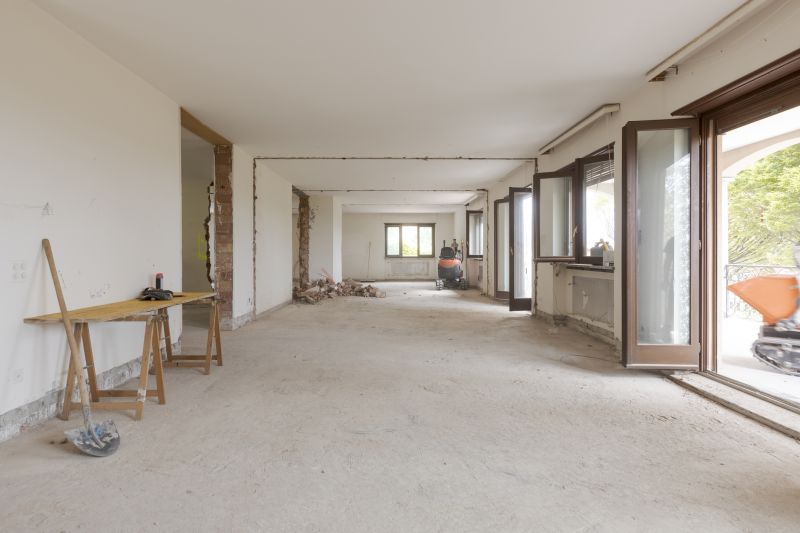
Clearly describe your exterior demolition project to help compare contractors, verify experience, and set clear expectations in writing.
- Verify the scope of exterior demolition services offered by local contractors to ensure they include the specific structures or materials involved. - Clarify what demolition methods and equipment will be used to match project requirements.
- Check if contractors have experience with similar exterior demolition projects to gauge their familiarity with the process and potential challenges. - Request references or examples of past work to assess their expertise.
- Ensure that the scope of work, including debris removal and site cleanup, is clearly defined and documented in writing. - Confirm that all expectations are outlined to prevent misunderstandings.
- Assess if the contractors have appropriate insurance coverage to protect against property damage or accidents during demolition. - Verify insurance details to ensure proper risk management.
- Compare how different local service providers define the scope of demolition to determine the level of detail and included services. - Look for transparency and clarity in their project descriptions.
- Confirm that the demolition plan accounts for any necessary permits or compliance requirements specific to the property location. - Ensure that all legal and regulatory considerations are addressed upfront.
Use this to compare local contractors, clarify project scope, verify experience, and set clear expectations.
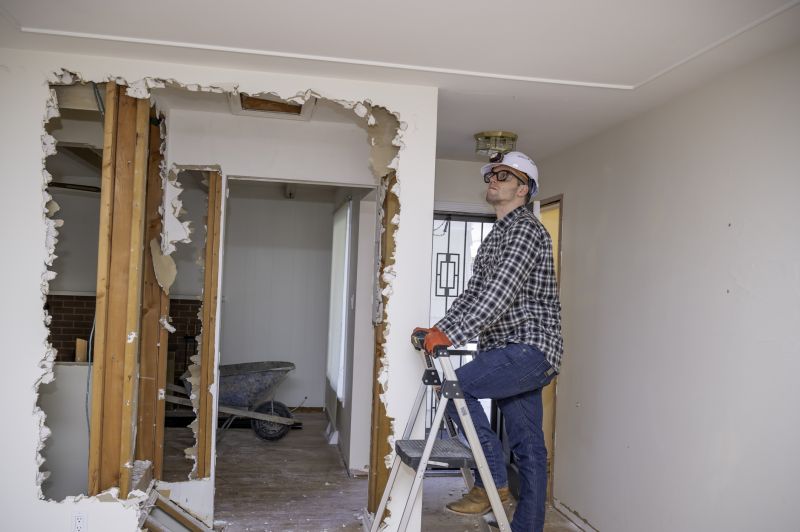


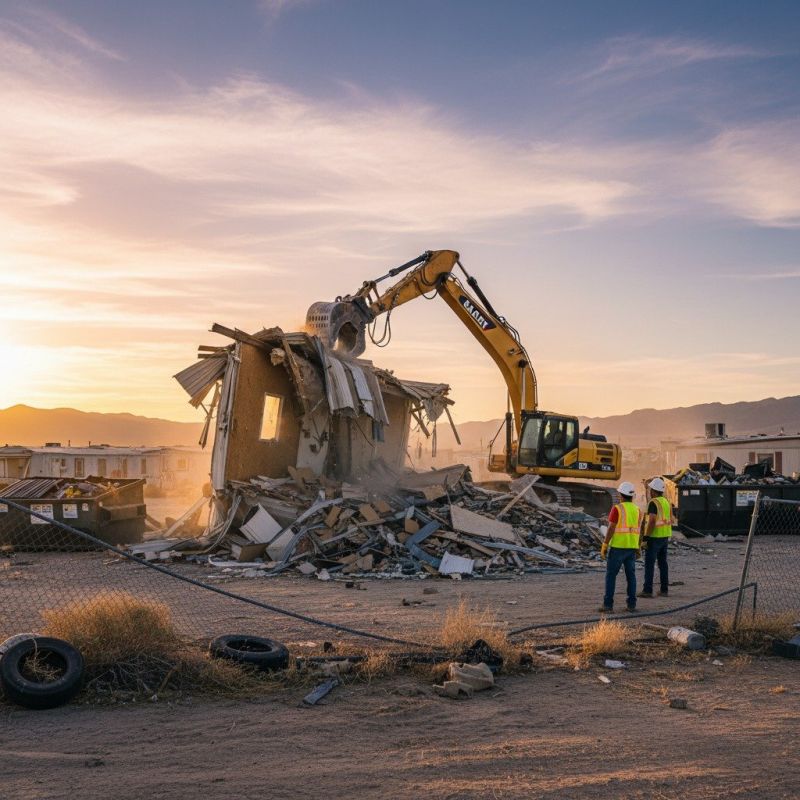
When comparing exterior demolition contractors, ensure scope, experience, and expectations are clearly defined and consistently communicated.
- Define demolition scope - specify which exterior structures and materials are to be removed during demolition.
- Assess site conditions - evaluate the exterior area for accessibility, obstructions, and potential hazards that may impact demolition work.
- Identify necessary permits and approvals - determine what local regulations and permissions are required for exterior demolition projects.
- Verify experience with similar projects - review the track record of local contractors in handling exterior demolition to ensure capability.
- Establish written expectations - document the scope, methods, and safety considerations to ensure clarity between all parties involved.
When comparing contractors for exterior demolition projects, it’s important to evaluate their experience with similar types of work. Homeowners should seek service providers who have a proven track record handling projects comparable in scope and complexity. Asking about past projects, the types of structures they have demolished, and their familiarity with local building codes can help gauge their expertise and ensure they are well-equipped to manage the specific demands of the job.
A clear, written scope of work is essential for establishing mutual understanding and setting realistic expectations. Homeowners are encouraged to request detailed descriptions of the tasks included, the extent of demolition, and any specific materials or structures involved. Having this information in writing helps prevent misunderstandings and provides a reference point throughout the project, promoting transparency and accountability.
Verification basics involve confirming that the service providers have the necessary experience and a history of successful projects. Homeowners should verify references or reviews, inquire about their familiarity with local regulations, and ensure there is a comprehensive plan for site cleanup and safety. While licensing and certification are not discussed here, understanding a contractor’s background and reputation can provide valuable insight into their reliability and professionalism.
Evaluating options without focusing on prices involves assessing the quality of proposals and the clarity of communication. Homeowners should compare how well each contractor defines the scope, their approach to project management, and the level of detail provided in their written proposals. Asking questions about their methods for handling unexpected issues and their process for project completion can help identify service providers who are thorough, transparent, and capable of delivering a smooth demolition experience.
Ask contractors to provide written scope details to ensure clear, consistent expectations for your exterior demolition project.
- Experience and Expertise - What specific experience do local contractors have with exterior demolition projects similar to yours?
- Scope of Work - How do contractors define and clarify the scope of demolition work to ensure all aspects are covered?
- Permitting and Regulations - Do service providers verify and handle necessary permits and compliance requirements for exterior demolition?
- Materials and Methods - What demolition techniques and equipment do local contractors plan to use, and how do they ensure safety and efficiency?
- Written Agreements - Are project expectations, scope, and responsibilities clearly outlined in a detailed written contract?
What should I consider when choosing a contractor for exterior demolition? It’s important to compare local contractors based on their experience, reputation, and the scope of services they offer. Defining the specific demolition needs in writing can help ensure clear expectations and a smooth process.
How can I verify a contractor's experience with exterior demolition projects? You can review their portfolio of completed jobs, ask for references from previous clients, and check how long they have been working in exterior demolition to gauge their expertise.
What questions should I ask a contractor before hiring for exterior demolition? Inquire about their previous projects, safety practices, methods used, and how they plan to handle potential challenges. Clarifying scope and expectations in writing is also recommended.
Why is it important to define the scope of work in writing? Having a detailed written scope helps prevent misunderstandings, sets clear expectations, and provides a reference point throughout the project to ensure all parties are aligned.
How do local contractors typically handle permits and regulations for exterior demolition? Many service providers are familiar with local requirements and can assist in ensuring all necessary permits are obtained, although verifying this during the selection process is advisable.
What factors can help in comparing different exterior demolition contractors? Consider their experience, reputation, scope of services, and how well they communicate and document project details. This can help identify the best match for specific project needs.
This page has provided an overview of how to find and evaluate contractors for exterior demolition projects. Visitors have learned the importance of clarifying project scope, verifying experience, and putting all expectations in writing to help ensure a smooth process. Comparing local service providers can help identify options that meet specific needs and preferences, making it easier to select the right partner for the job.
To explore available options, use the quote form to connect with local contractors who specialize in exterior demolition. This simple step allows for side-by-side comparisons of different service providers, helping to inform decisions and find the best match for the project’s requirements.